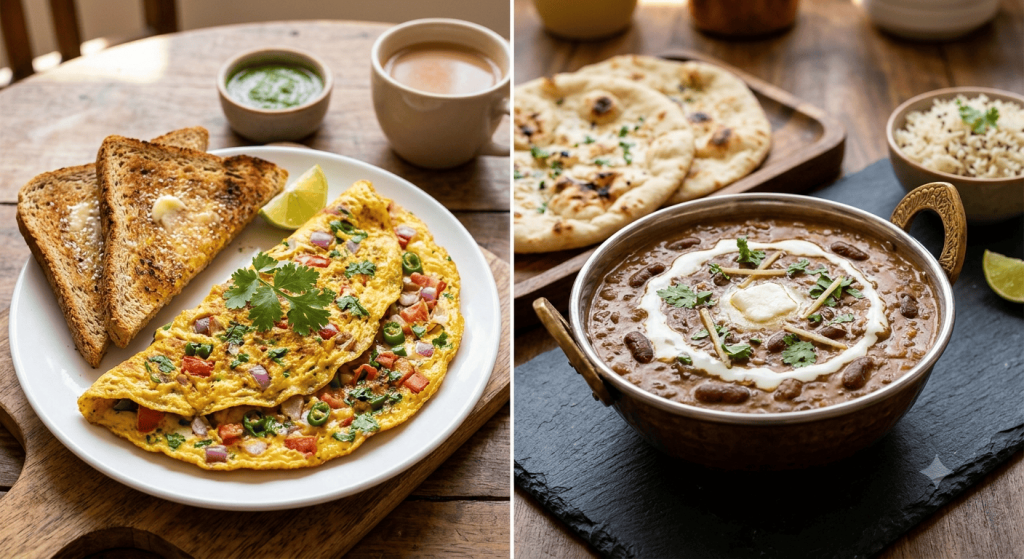
What Are Quick Meals?
Quick meals are dishes that can be prepared and served in a short amount of time. They are especially useful for busy mornings, working days, and evenings when everyone is hungry but there is little time to cook.
Examples include vegetable sandwiches, pasta, vegetable pulao, omelettes, and quick homemade noodles. You can also prepare simple desserts, such as fruit salad or a quick chocolate mug cake, when you want something sweet without spending hours in the kitchen.
Benefits of Quick Meals
1. Saves Time
Quick meals help you manage a busy schedule. You can prepare dinner after work, make breakfast before school, or serve a simple lunch without spending too much time cooking.
2. Easy to Prepare
Many quick recipes require only a few ingredients and basic cooking skills. This makes them suitable for beginners and anyone who wants to prepare homemade food without complicated steps.
3. Offers Everyday Convenience
Quick meals are practical when family members have different schedules. You can prepare food efficiently and spend more time eating together rather than working in the kitchen.
4. Can Be Nutritious
A quick meal can be healthy when it includes vegetables, protein-rich ingredients, whole grains, and suitable portions. For example, a vegetable omelette with whole-wheat toast can make a satisfying breakfast.
What Are Slow-Cooked Dishes?
Slow-cooked dishes are foods prepared over a longer period using gentle heat. This method allows ingredients to cook gradually, helping flavours blend together and making certain foods tender.
Examples include slow-cooked chicken curry, vegetable stew, traditional dal, homemade soups, and carefully prepared meat dishes. In baking, some recipes also require extra time for dough fermentation, resting, or slow preparation to achieve the desired texture and flavour.
Benefits of Slow-Cooked Dishes
1. Develops Rich Flavours
Slow cooking gives ingredients more time to release their flavours and blend together. A homemade curry or vegetable stew can develop a deep, comforting taste when cooked patiently.
2. Creates Tender Textures
Certain ingredients, especially tougher cuts of meat and some vegetables, become tender during prolonged cooking. This makes slow-cooked dishes enjoyable for families who appreciate soft textures.
3. Perfect for Family Gatherings
Slow-cooked dishes are often suitable for weekend lunches, family dinners, and special occasions. Preparing a favourite traditional recipe can turn an ordinary meal into a memorable experience.
4. Encourages Traditional Cooking
Many families have recipes that are passed down through generations. Preparing these dishes allows family members to share cooking knowledge, preserve traditions, and enjoy familiar flavours.
Quick Meals vs. Slow-Cooked Dishes: Key Differences
The best way to choose between these two cooking styles is to understand how they fit into your daily life.
| Feature | Quick Meals | Slow-Cooked Dishes |
|---|---|---|
| Preparation time | Usually short | Usually longer |
| Cooking style | Fast cooking methods | Gentle, prolonged cooking |
| Flavour | Fresh and simple, depending on the recipe | Often rich and well-developed |
| Convenience | Ideal for busy days | Suitable for planned meals |
| Family occasions | Practical for everyday dining | Great for relaxed gatherings |
| Examples | Sandwiches, pasta, omelettes | Stews, traditional curries, soups |
Remember that cooking time does not automatically determine nutritional value or taste. Both methods can produce delicious and balanced meals when you choose suitable ingredients and prepare them properly.
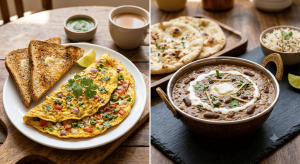
1: Masala Omelette with Toast
Masala omelette with toast is a simple homemade meal made with eggs, fresh vegetables, Indian spices, and toasted bread. It is suitable for breakfast, brunch, or a quick meal when you have limited time.

Preparation Time
- Preparation time: 10 minutes
- Cooking time: 10 minutes
- Total time: Approximately 20 minutes
- Servings: 2
Ingredients
For the masala omelette:
- 4 large eggs
- 1 small onion, finely chopped
- 1 small tomato, finely chopped
- 1 green chilli, finely chopped (optional)
- 2 tablespoons fresh coriander, chopped
- 1/4 teaspoon turmeric powder
- 1/4 teaspoon red chilli powder
- 1/4 teaspoon black pepper powder
- Salt to taste
- 1 tablespoon cooking oil or butter
For the toast:
- 4 slices of bread
- 1 teaspoon butter (optional)
Step-by-Step Instructions
Step 1: Prepare the Vegetables
Wash the onion, tomato, green chilli, and coriander. Chop them into small pieces so they mix evenly with the eggs.
Step 2: Beat the Eggs
Crack the eggs into a medium-sized bowl. Add salt, turmeric powder, red chilli powder, and black pepper. Beat the mixture with a fork or whisk until the eggs are well combined.
Step 3: Add the Vegetables
Add the chopped onion, tomato, green chilli, and coriander to the beaten eggs. Mix everything thoroughly to distribute the ingredients evenly.
Step 4: Heat the Pan
Place a non-stick frying pan over medium heat. Add the cooking oil or butter and allow it to heat gently.
Step 5: Cook the Omelette
Pour half of the egg mixture into the pan. Spread it gently to form an even layer. Cook for approximately 2–3 minutes, or until the bottom is set.
Carefully flip the omelette and cook the other side until the eggs are fully set. Repeat with the remaining mixture to make the second omelette.
Step 6: Toast the Bread
While the omelettes cook, place the bread slices in a toaster or on a clean frying pan. Toast them until they reach your preferred level of crispness. Spread a little butter on the bread if desired.
Step 7: Serve and Enjoy
Place one omelette on each plate and serve with two slices of toast. You can add fresh cucumber, tomato slices, or a small serving of fruit for a more varied meal.
Cooking Tips for a Perfect Masala Omelette
- Chop the vegetables finely to help the omelette cook evenly.
- Avoid adding too much tomato because excess moisture can make the omelette difficult to flip.
- Use medium heat to prevent the eggs from browning too quickly.
- Adjust the green chilli and red chilli powder to suit your taste.
- Cook the eggs until they are fully set and no raw egg remains.
Serving Suggestions
Serve masala omelette with toast alongside a cup of tea, milk, or fresh fruit. For a more filling meal, add a small salad or another suitable side dish.
This recipe is flexible, so you can adjust the vegetables and seasonings according to your family’s preferences.
Slow-Cooked Dal Makhani
Dal makhani is a traditional North Indian dish prepared with whole black lentils, often combined with kidney beans, tomatoes, spices, and a rich finishing mixture. Slow simmering helps the lentils become tender and allows the flavours to blend.
This recipe takes longer than an omelette, but much of the time is spent soaking and cooking the lentils. It is a good choice for a planned family lunch or dinner.

Preparation Time
- Preparation time: 15 minutes
- Soaking time: 8 hours or overnight
- Cooking time: Approximately 2–3 hours, depending on the lentils and cooking method
- Servings: 4
Ingredients
For cooking the lentils:
- 1 cup whole black lentils (whole urad dal)
- 1/4 cup kidney beans (rajma)
- 5 cups water for initial cooking, plus extra as needed
- 1/2 teaspoon salt, or to taste
For the masala:
- 2 tablespoons butter or ghee
- 1 tablespoon cooking oil
- 1 medium onion, finely chopped
- 2 medium tomatoes, pureed or finely chopped
- 1 tablespoon ginger-garlic paste
- 1 teaspoon cumin seeds
- 1/2 teaspoon turmeric powder
- 1 teaspoon coriander powder
- 1/2 teaspoon red chilli powder, or to taste
- 1/2 teaspoon garam masala
- 1/2 teaspoon salt, or to taste
- 1/4 cup cream (optional)
- 2 tablespoons chopped fresh coriander
- Water as required for simmering
Step-by-Step Instructions
Step 1: Wash and Soak the Lentils
Wash the black lentils and kidney beans thoroughly under running water. Place them in a large bowl, cover them with plenty of water, and soak them for at least 8 hours or overnight.
Drain and rinse the lentils and beans before cooking.
Step 2: Cook the Lentils and Kidney Beans
Place the soaked lentils and kidney beans in a large pot with approximately 5 cups of fresh water.
Bring the water to a boil, then reduce the heat and simmer until the lentils and beans become completely tender. This may take several hours, depending on the ingredients and cooking conditions. Add more hot water when necessary to prevent the mixture from drying out.
You may use a pressure cooker to reduce the initial cooking time, following the appliance instructions. Ensure the kidney beans are thoroughly cooked before proceeding.
Step 3: Prepare the Masala
Heat the oil and butter or ghee in a separate heavy-bottomed pot over medium heat. Add the cumin seeds and allow them to release their aroma.
Add the chopped onion and cook until it softens and turns light golden. Stir in the ginger-garlic paste and cook for another minute, stirring regularly.
Step 4: Add the Tomatoes and Spices
Add the tomato puree, turmeric powder, coriander powder, red chilli powder, and a little salt.
Cook the mixture for approximately 8–10 minutes, stirring occasionally, until the tomatoes soften and the masala thickens. Adjust the heat if the mixture begins to stick to the pot.
Step 5: Combine the Lentils with the Masala
Add the cooked lentils and kidney beans to the masala. Stir gently to combine everything.
If the mixture is too thick, add some hot water to achieve your preferred consistency.
Step 6: Slow-Simmer the Dal
Reduce the heat to low and let the dal simmer gently for approximately 45–60 minutes, stirring occasionally. Add small amounts of hot water as necessary to prevent sticking.
As the dal simmers, some lentils will break down and naturally thicken the sauce. Taste the dish and adjust the salt and spices if needed.
Step 7: Finish with Garam Masala and Cream
Add the garam masala and stir well. If you prefer a richer texture, stir in the cream during the final few minutes of cooking.
Allow the dal to simmer gently for another 5 minutes. Avoid boiling it vigorously after adding the cream.
Step 8: Garnish and Serve
Turn off the heat and garnish the dal makhani with chopped fresh coriander. Serve it hot with steamed rice, jeera rice, roti, or naan.
Cooking Tips for Delicious Dal Makhani
- Soak the lentils and kidney beans thoroughly to help them cook evenly.
- Make sure the kidney beans are completely cooked before serving.
- Simmer the dal gently and stir it regularly to prevent sticking.
- Add hot water gradually if the dal becomes too thick.
- Adjust the butter, cream, and spices according to your family’s preferences.
- Allow enough time for the lentils to become tender; cooking time can vary between batches.